#52 Ancestors- Antonio Jose Coelho – Ancestor #5

Early last year, I was fortunate enough to visit the Providence Children’s Museum’s Coming to Rhode Island exhibit that features the stories of real people who immigrated and settled in Rhode Island. One of the people featured is Antonio Jose Coelho, captain of the Nellie May, a native of Brava and an ancestor.
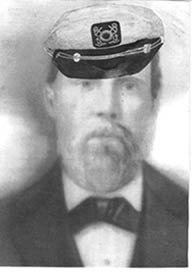
20140313-002649.jpgCaptain Antonio Jose Coelho

The first time I actually came across his name was while I was searching for my great-great grandfather with the same name who I knew visited the United States many times before he died in 1917 in Brava. I also knew that he lived and worked in Providence. My great-great grandfather had a wife and children in Brava so I wasn’t exactly excited to see an Antonio Jose Coelho married and living with his wife and two kids in Providence! A word to the wise- always pay attention to birth dates! My Antonio was born in 1879 while Capt. Antonio was born in 1851… And both are ancestors of mine.

Capt. Coelho is said to have first arrived around 1866 which may have been on a whaling ship. My Coelho ancestors in Brava include a very long line of mariners.

20140312-221041.jpg
In this naturalization record from 1891, Antonio identifies 1866 as his arrival date in the United States.

He was married to Maria de Jesus d’Azevedo, also from Brava and had two sons, Joaquim and Cesar, all of whom followed Antonio to the United States between 1894 and 1897.
20140312-223218.jpg

20140312-223005.jpg
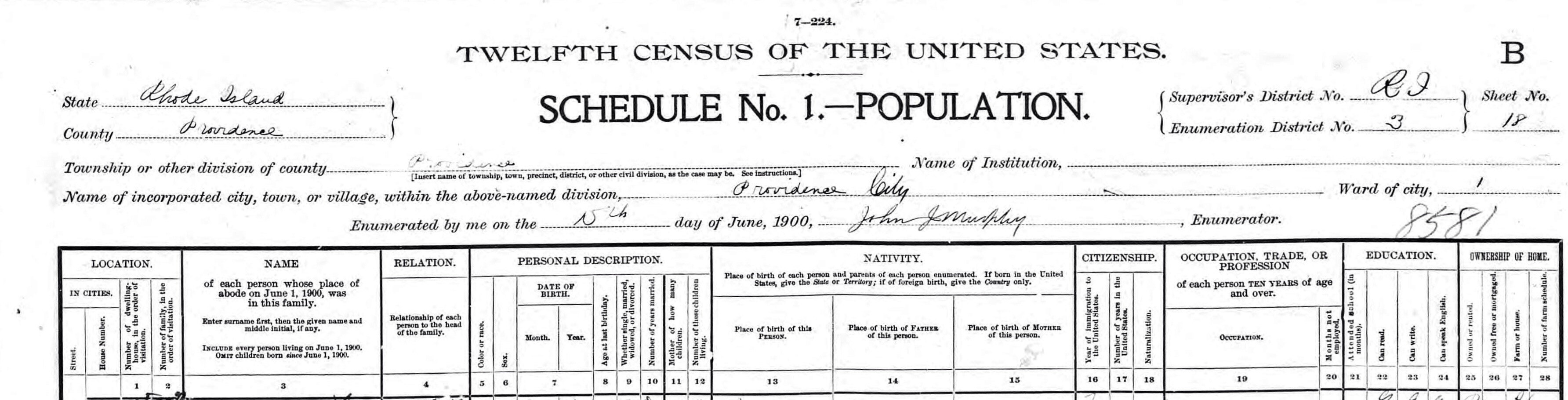
According to this 1900 census, Maria is quite a bit older than Antonio but both have 25 as the age they were when they first married. This, then, had to be Maria’s second marriage. In 1900, they were living on Traverse St. The 1910 census shows only Antonio, Maria and Cesar living together. Joaquim disappears from the records and I have not been able to locate him. He may have died but it is also possible that he returned to Brava or perhaps took up the family trade of whaling.

Antonio purchased the Nellie May from John Waters from Newport, Rhode Island and sailed the ship carrying people and goods from the States to Brava in 1892 and again in 1893 when a series of mishaps resulted in the captain of that voyage, Jose Godinho, beaching the ship to have it classified as abandoned and then purchase it himself at auction. Antonio fought two years, making appeals to Presidents Cleveland and McKinley, to get his ship back. Antonio died at the age of 92 without any compensation. During his life in Fox Point, Antonio was a well-known figure, helping many in the community with housing and employment and serving as an interpreter. (Excerpted from Cape Verdeans in America: Our Story, ed. Raymond A. Almeida. Boston: Tchuba-American Committee for Cape Verde, Inc., 1978. Boston. Based on original research by Michael K. H. Platzer and Dr. Diedre Meintel, with additional information collected by Cape Verdean community scholars.)

Antonio Jose Coelho Genealogy

Antonio
Antonio was born on May 7, 1852. (Records have him born anywhere between 1851 and 1853.) He was the son of Joaquim Jose Coelho and Maria de Senna from Sao Joao Baptista, Brava. He also had a brother, Bernardino.

Maria de Jesus d’Azevedo was born around 1842 in Sao Joao Baptista and was the daughter of Antonio de Jesus d’Azevedo and Genoveva Tavares.

Antonio’s parents (Joaquim and Maria)
Joaquim Jose Coelho was the son of Francisco Jose Coelho and Claudina Maria da Graca.
Maria de Senna was the daughter of Francisco Ribeiro and Rosa de Senna

Antonio’s grandparents (Francisco,Claudina)
Francisco Jose Coelho was the son of Manuel Jose Coelho and Domingas da Graca
Claudina Maria da Graca was the daughter of Manuel Jose Gomes and Maria da Graca.
*Francisco and Claudina were married on June 17, 1811 and they were 2nd cousins, probably on their mothers’ sides.

Antonio’s Great Grandparents
Manuel Jose Coelho married to Domingas da Graca and parents to Francisco Jose Coelho.
Manuel Jose Gomes married to Maria da Graca (first cousin of Domingas da Graca) and parents of Claudina Maria da Graca.

*as with anything in genealogy, the stories come with differing opinions and versions of fact. I have presented information found in records of Cape Verde for the generations before Antonio, his parents, grandparents and great grandparents. Capt Coelho has descendants who still live in New England.
#52 Ancestors- The Day Brava Died; The Heroes of the Mathilde

Teotônio quickly made his way to Ma Culinha’s house next door with a telegram in his hands. It had already been months since her husband, Joao Arcanja, boarded the schooner, Mathilde, with no word until that day, January 2, 1944. Joao Maria Nunes sent the telegram from the United States notifying everyone that the Mathilde still hadn’t reached its destination. Her worst fears were realized. As word spread from Cham de Sousa to every corner of the tiny island, Ma Culinha mourned the death of her husband and the island mourned the deaths of many of its bravest souls.

The island was in the grips of some of the worst years of drought and famine. Most of the world was focused on WWII and shipments of goods from the United States had come to a halt. A group of 51 men decided to take a chance and make the voyage across the Atlantic to America. It was the only hope for hundreds of families who were starving to death. Some of these men were American citizens who were answering the call to serve in the military for the United States. They were willing to risk their lives in an old schooner if it meant survival for their families.

No one knows exactly what happened to the Mathilde after it set sail from the port of Feijão d’Agu. There are stories that the ship was already in such disrepair that it started taking on water as soon as it set off. Others claim that the ship was seen somewhere off the the islands of the Caribbean. Lost ships were nothing new, unfortunately, in Brava’s history but this was especially brutal because these men were some of the islands best and brightest. They were mariners, merchants, island administrators, husbands, fathers, brothers and sons.

Ma Culinha was my great- grand aunt – my great-grandmother, Bibi’s, sister. The two sisters supported each other as they were now both widowed with children. My grandmother was already an adult but Ma Culinha’s 5 children were still very young. Her youngest daughter was born shortly after her husband’s ship disappeared.

The story of the Mathilde has been documented in terms of the toll it took on Brava’s population but it was something else to read the account of the telegram from America being opened in my great grand aunt’s home in the book by Artur Viera; Mathilde, Viagem do Distino (Mathilde, Voyage with Destiny). I imagine that Bibi was there when the telegram arrived at Ma Culinha’s house as she lived next door. I knew the both of them, grew up with them, and never really knew the grief that they had to endure.

I had heard the story of Ma Culinha’s husband but it wasn’t something that was really talked about much. Our family had survived the drought and made its way to America. Their children’s children were living the American Dream and thoughts of starvation and death was something we never fathomed. What happened to those men was nearly forgotten to us if it weren’t for the efforts of people like Mr Vieira to ensure they weren’t forgotten.

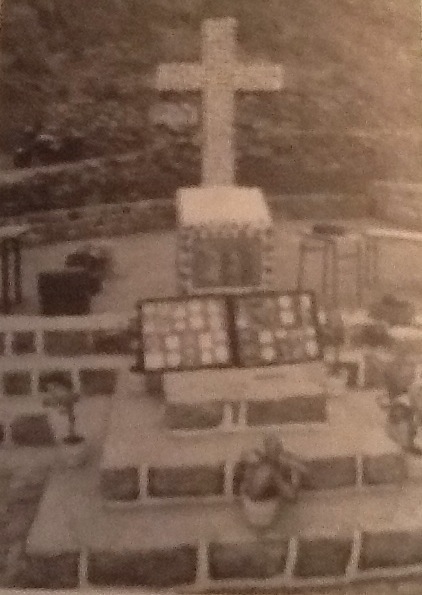
Today, the names of these men are listed on a memorial located near the chapel at the port in Feijão d’Agu.

20140306-233200.jpg

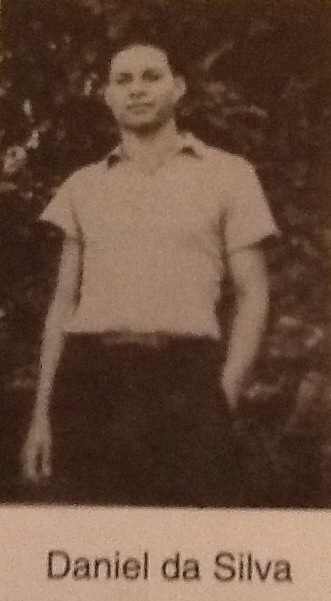
The Mathilde was constructed in São Vicente and purchased by Abel and Daniel Ramos (Silva) from the town of Cova de Rodella.

20140306-233600.jpg

20140306-233609.jpg

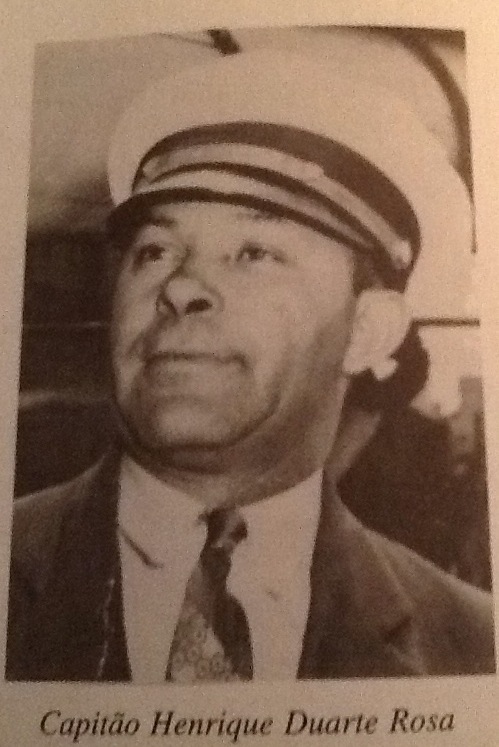
Captaining this voyage was was Henrique Duarte Rosa, also known as Henrique de Lola, from Lem and Antonio Faria Balla, known as Toi de Nino.

20140306-234849.jpg

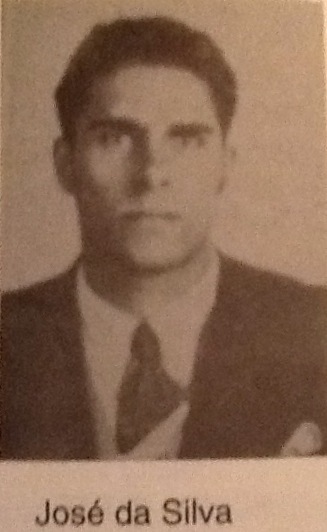
Domingos Jose da Silva, known as Senhor Ramos, a business man from Cova Rodella, sold each passenger their ticket, along with three of his sons, Daniel, Abel and Jose, who accompanied him on the ship.

20140306-234611.jpg

20140306-233507.jpg

Artur Viera includes a list of the passengers of Mathilde in his book. What I like about his book is that he uses the nicknames of these men along with who their family is. It seems to give life to the names on the pages and makes them real. Many of the names actually identify who their ancestors are. For example, Aurelio de Maria Vitoria, is Aurelio son of Maria, daughter of Victoria.

Abel Silva- married to Natinha Aurora, from Cova Rodella
Antonio Faria Balla (Toi de Nino) – married to Anna daughter of Mr. Carlos,
from Santa Barbara
Antonio de Lelo (Totoi)- married to Candida Henrique Quilota, from Cova
Rodella
Antonio de Niche- single, from Vinagre
Armando Anahory Azevedo- married to Jovina, from Nova Sintra
Augusto Nina Lepéu- single, from Cova Rodella
Aurélio Maria Chico- married to Lotinha, from Cachaço
Aurelio de Maria Vitoria- single, from Tras de Cova
Avelino Lopes – married to Eugenia de Jalca, from Nossa Senhora do Monte
Basilio Bicha, from Nova Sintra
Belmiro Libana- single, from São Pedro Lém
Daniel Silva- married to Laura Madalena, from Cova Rodella
Domingos Jose Silva, married to Dominga, from Cova Rodella
Francisco Anahory Azevedo-single, from Nova Sintra
Guilherme de Bita- single, from Lem
Henrique de Anna Carolina- widower, from Lomba Cumprido
Henrique Duarte da Rosa- married to Benvinda, from Lem
Jack Manuel Cochila- single, from Nova Sintra
Djila- from Cova de Joanna
Joao Arcanja- married to Carolina (Ma Culinha), from Cham de Sousa
Joao Henrique Silva- married to Maria Dominga, Cova de Joanna
Joao de Julia- married to Pequena Marcelino, from Cova Rodella
Joao de Sao Pedro, from Lem
Joazinho Julia de Laia- single, from Cova Rodella
Joaquim Henrique Velinha- single, from Vinagre
Joaquim Joao Sena – married to Alés Teofilo, from Nossa Senhora do Monte
Joaquim Nunes- from Mato Grande
Jose Djedjedja- from Pai Luis
Jose Faria Balla- from Santa Barbara
Jose Henrique Silva- single, from Cova de Joanna
Jose Joao Fernandes- married to Bibi Henrique Quilota, from C. De Joanna
Jose Silva- Cova Rodella
Laurindo Teixeira Balla- from Nova Sintra
Mano Gelina- single, from Campo Baixo
Mano Mariquinha Frisina- single, Lomba Cumprido
Manuel Mundinho- married to Rosinha Maria de Nana, from Paùl
Manuel Joao Fernandes – married to Aida de Cheta, Nossa Senhora do
Monte
Mario (the ship cook)- from Boa Vista
Nando Julia Nonó- single, from Mato Riba
Napoleão Julio Silva- single, Cova de Joanna
Nuno Palmira- married to Bai, Cova Rodella
Paulo Joao Fernandes- single, from Clara Goncalves
Pedro (ship cook)- from Boa Vista
Rapazinho nha Nacia, married to Bibi Rosinha, from Tapume
Raul Rodrigues-son of Marcellino Rodrigues, from Fogo
Roberto Baina (Boboy, born in the US), single, Nossa Senhora do Monte
Silvestre Pires-Nossa Senhora do Monte
Tchany de Djudja- married to Junina, daughter of Mr Ramos
Tómas Faria Balla – married to Alice de Mina Pulutcha, from Vinagre
Zeca de Manuel Lai- married to Bia nha Tancha, Cova de Rodella
* third captain only known by the surname Rodrigues.

Joao Arcanja and Ma Culinha’s children, grandchildren and great-grandchildren live in and around Massachusetts today as do many of the descendants of these brave men. I would love to hear their stories. If anyone knows of them, please feel free to comment or message me directly.

-Viera, Artur, Mathilde, Viagem do Destino, 2nd Edition, 1995

#52 Ancestors – Ancestor #3 – Finding Avelino

I can still remember the day when my uncle announced he was naming his new son “Avelino” after his grandfather. I was twelve and I remember imagining the years of torment my new cousin was going to have to endure. Avelino!?! Why?!? Why would my uncle name his only son AVELINO? Why not James? And who was this grandfather? I didn’t know anything about him.

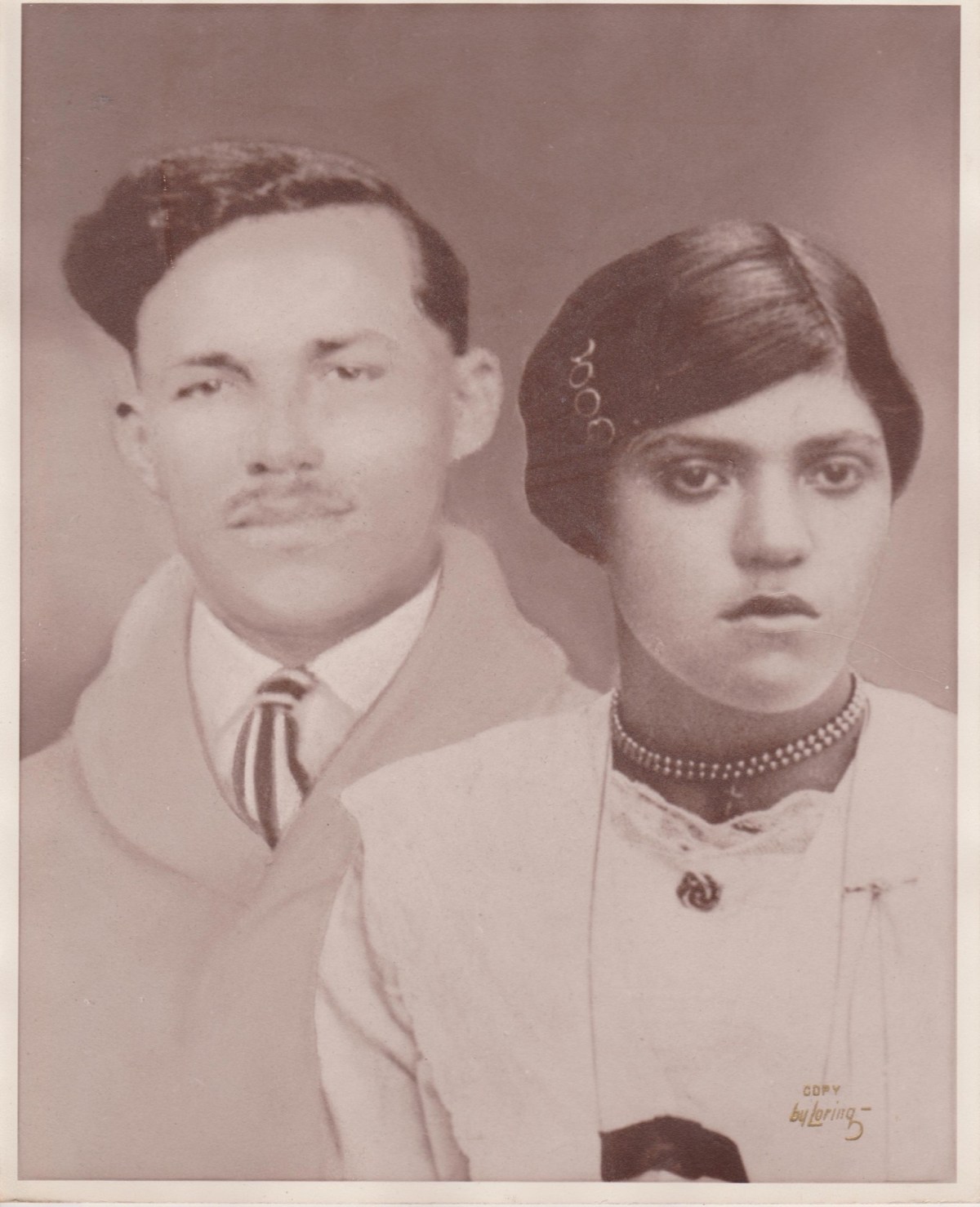
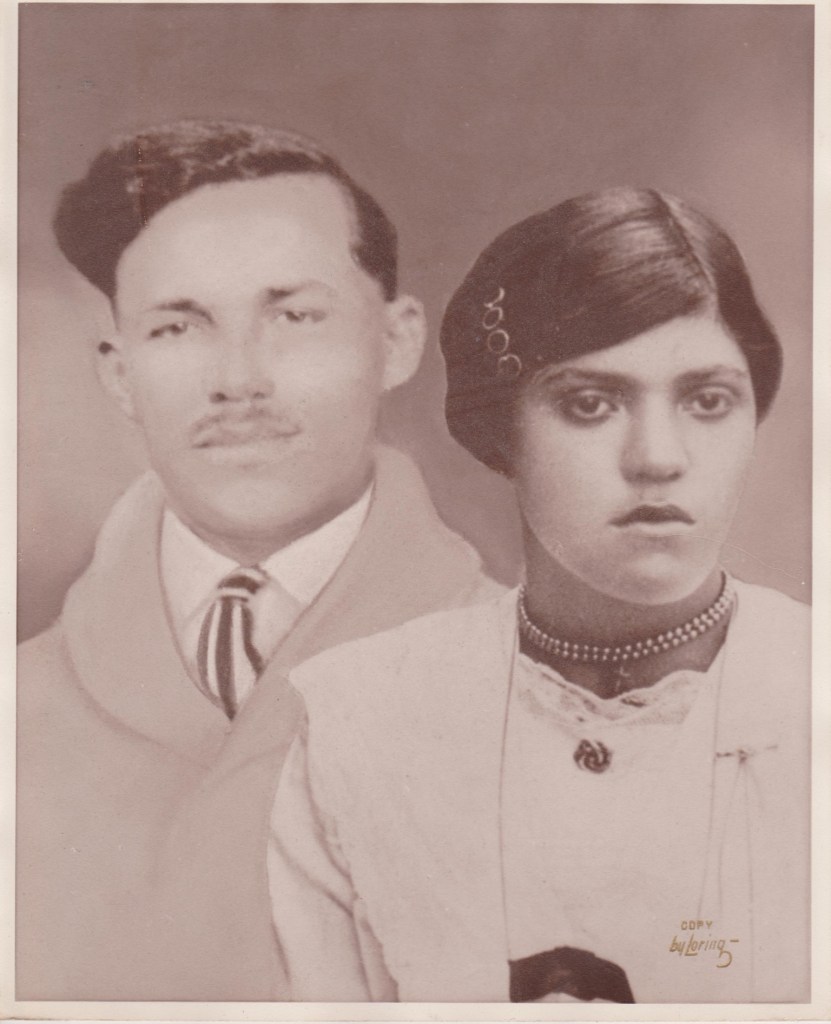
My uncle reminded me of a picture I had seen a thousand times of a young couple in a frame in my grandmother’s living room.

20140305-221101.jpg
Avelino Barbosa Rodrigues and Maria Coelho Rodrigues

This started my search for Avelino. My great-grandmother, Bibi, didn’t speak much about her husband in all the time I knew her. Except for a few stories here and there, we really didn’t know much about this man who my little cousin was named after, except that Avelino was born in the town of Pai Luis (Father Luis) in the parish of Sao João Baptista in 1900 and died in Waterbury, CT in 1929.

20140305-192328.jpg

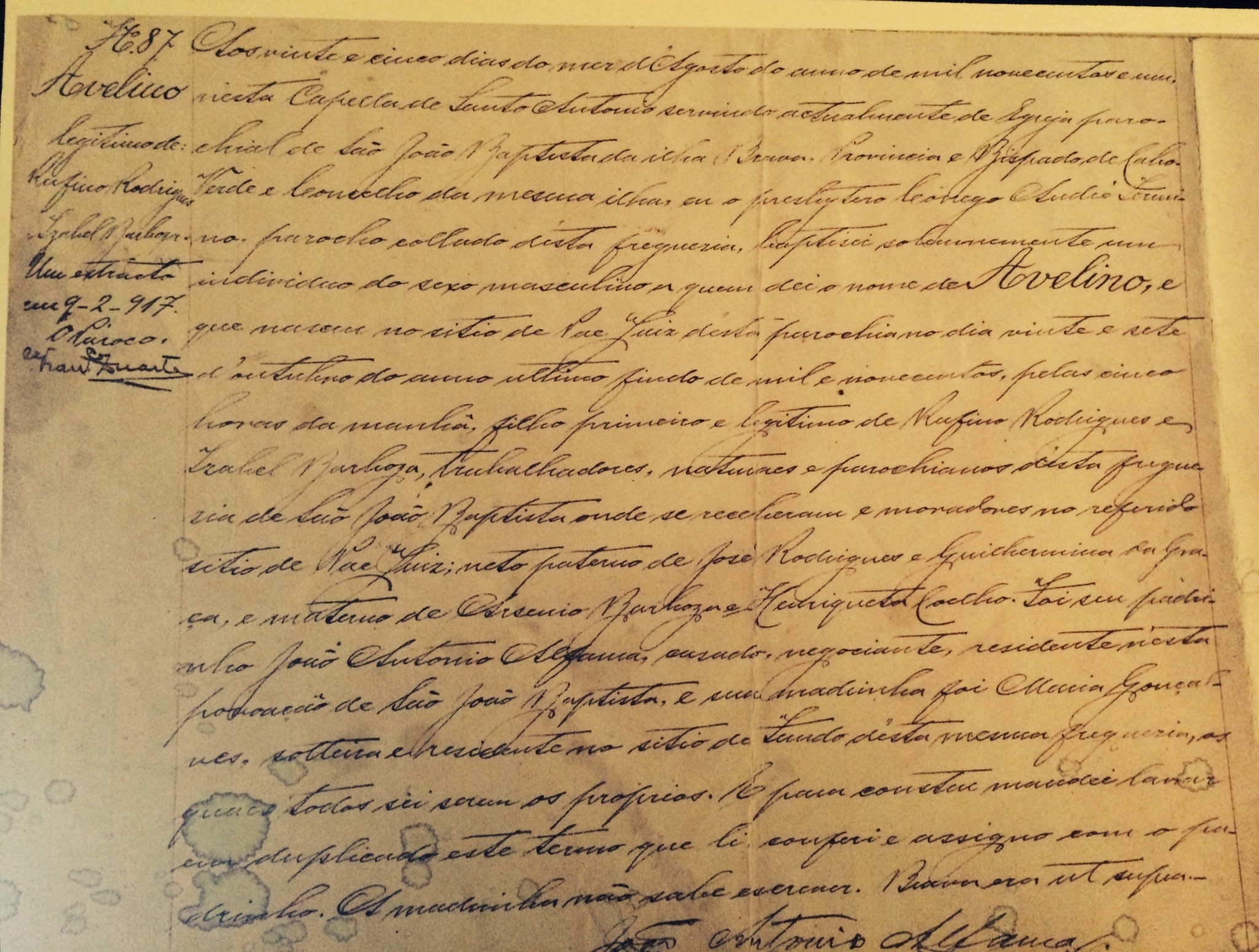
On the 25 of August, 1901, in the chapel of Santo Antonio in the parish of Sao Joao Baptista, a boy named Avelino, born in the city of Pai Luis on October 27, 1900, was baptized. He was the legitimate son of Rufino Rodrigues and Isabel Barboza. He was the paternal grandson of Jose Rodrigues and Guilhermina da Graca and the maternal grandson of Arsenio Barboza and Henriqueta Coelho. His godfather was Joao Antonio Alfama, a married merchant who lived in Povoacão, São João Baptista. His god mother was Maria Goncalves, a single woman from the town of Fundo. His godfather’s signature is at the bottom of the certificate.

On the upper left corner, there’s a notation under my great-great grandparents names. It refers to this record being extracted on 9/2/1917. I believe my great grandfather might have needed his baptism record which would have served as his only means of identity because he was coming to America. My great-great grandfather, Rufino, was a mariner and traveling back and forth between America and Brava. Rufino was living with his brothers, Manuel and Benjamin in Providence where they would have mingled with my great-grandmother’s father, Antonio Coelho. Bibi had told me that their fathers were friends and arranged their marriage.

My great grandfather’s time in America isn’t very clear. He was living in New Britain, CT for a time where he, his brother, Arthur, and cousin, Ernest, ran a store. Toward the end of 1922, after exchanging a few letters and pictures, he arrived in Brava with a white wedding dress complete with a veil and white shoes to marry my great-grandmother. They were married December 31, 1922

20140305-201020.jpg

Bibi told me the story about the day Avelino left for America on the schooner Volante just a few months after they were married. I can’t recall whether she said the ship left from the port of Furna or Feijão d’Agu but I do remember how she sounded as she described watching the ship disappear over the horizon. It was the last time she saw him.

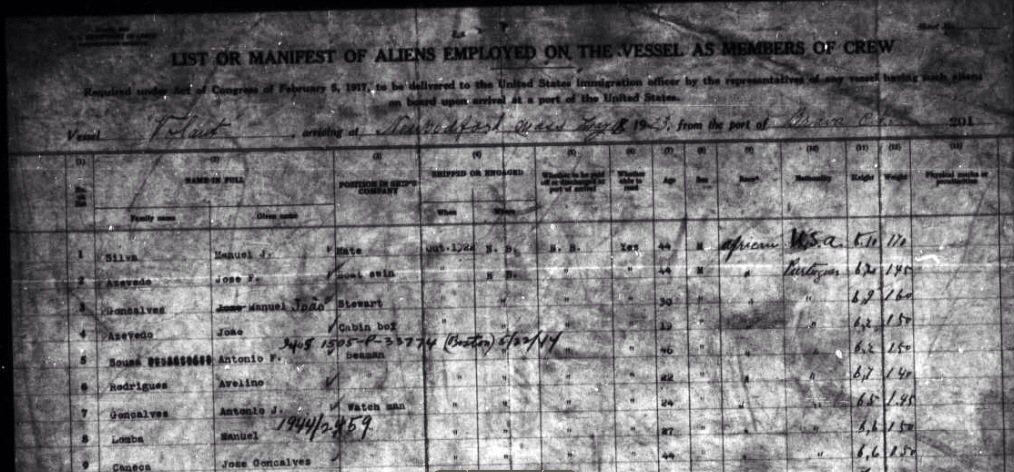
The Volante arrived in New Bedford on May 18, 1923. My great grandfather is listed as a crew member of the schooner. It says that he had shipped out of New Bedford in October, 1922, that he was 22 years old, a seamen, could read and was about 5’7″ and 140 lbs.
>

20140305-215836.jpg

Immigration of Cape Verdeans to America pretty much came to a halt around this time due to legislation on immigration. Avelino never went back to Brava and Bibi and my grandmother couldn’t come here as easily. In 1924, Avelino and his brother, Arthur, moved from New Britain to Waterbury. In 1925 he started work at the Chase Metal Works, a brass factory in the heart of Waterbury. The money he made from his work was sent to Brava along with building materials to build a home for his family in Cham de Sousa.

20140305-204256.jpg
Our family home in Cham de Sousa

I believe it was meant to be a two story, “sobrado” style home. But before the house was finished, Avelino was killed in an accident at the factory.

20140305-204601.jpg

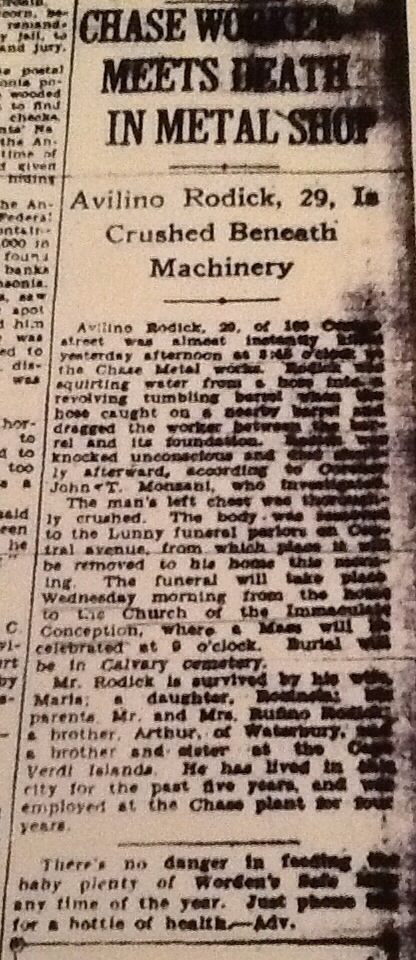
Avelino Rodick (Rodrigues), 29, of 189 Orange street was almost instantly killed yesterday afternoon at 3:45 o’clock at the Chase Metal Works. Rodick was squirting water from a hose into a revolving tumbling barrel when the hose caught on a nearby barrel and dragged the worker between the barrel and it’s foundation. Rodick was knocked unconscious and died shortly afterward, according to the coroner, John T. Monsani, who investigated.
The man’s left chest was thoroughly crushed. The body was removed to the Lunny funeral parlor on Central Avenue, from which place it will be removed to his home this morning. The funeral will take place Wednesday morning from the home to the Church of the Immaculate Conception, where a mass will be celebrated at 9 o’clock. Burial will be in Calvary cemetery.
Mr Rodick is survived by his wife, Maria; a daughter, Rosinha, his parents, Mr and Mrs Rufino Rodick; a brother, Arthur of Waterbury; a brother and sister at the Cape Verdi islands. He has lived in the city for the past five years and was employed at the Chase plant for four years

Some years ago I had a chance to meet a cousin who was Avelino’s step nephew and lived in the same home when Avelino died. He told me he remembered Avelino leaving for work, as usual, that morning only to return a few minutes later. He watched him go to his room and pick up a small picture of my grandmother, look at it for a while and placed it in his coat pocket. My cousin remembered this because he always felt like my great-grandfather had a feeling that something was going to happen and wanted to see his daughter’s face one more time.

85 years, 1 daughter, 6 grandchildren, 22 great-grandchildren, 25 great-great-grandchildren and 3 great-great-great grandchildren later I wanted to tell Avelino’s story. It was the house he built that gave shelter to our family for two generations before they finally came to America in the 1960’s. The money that was paid from the accident at Chase Metal Works was what sustained our family during some tough times in Brava. We never met him but his life affected ours in unimaginable ways.

I began searching for Avelino in earnest when I lived for a short time in Waterbury after graduate school in 1998. I spent hours in the library looking for an obituary unsuccessfully. I was living the same city but could never find anything to tell me what happened to him. It wasn’t until ancestry.com came a long a couple of years ago that I found one index entry for Avelino’s grave marker showing that he had died in 1929, something I didn’t actually know before. I contacted the Waterbury clerks office where they explained that records that old were in storage and not as easily accessible and would take a while find. I contacted all the cemeteries in Waterbury that would have had burials around 1929. It took a while but was finally given information on when he was buried but they had no information on why he died. I contacted all the churches that would have been in service at the time only to be told that all the records were transferred to the archdiocese of Hartford. The archivist there told me that they had no records dating back to 1929 for any churches that would have served the Portuguese community of Waterbury. So, on a whim, I contacted the very same library I had spent many hours at nearly 15 years prior. I explained to the librarian what I had been through trying to find my great-grandfather and she immediately found a city directory showing where he worked.

The next day, I received an email with the article above explaining, finally, what happened to Avelino. I cried as I read what had happened to him the day he was killed.

None of Avelino’s direct descendants had ever visited his grave. So on a trip back home from Massachusetts one day, I took a different route back to DC that went right through Waterbury. I drove to Calvary Cemetery to visit Avelino.

On a small hill under a tree I found his simple gravestone.

20140305-214316.jpg

And I said, “Thank you”.

I wish I can go back to the day I complained about my uncle naming my cousin, Avelino. I understand now why he wanted to honor him by passing his name down to his only son.

#52 Ancestors – “Papa” -Joao Antonio Lopes #2

I was Papa’s favorite grandchild. Yes, I said it…because it’s true. I know I was his favorite… and so were my sisters. That’s what made Papa the best grandfather in the world. My sisters and I can debate all day about why each one of us was his favorite and we’d all be right.

My favorite memories are of Papa taking us for rides in the back of his big yellow station wagon through the streets of Brockton, MA back when no one knew what seat belts were for. Not that we were in any kind of danger, for that matter, with Papa behind the wheel… You can’t do much damage driving 15 miles an hour. A ten minute drive through D.W. Fields park took 30 minutes for us and we enjoyed every minute of it. I can remember being sick when I was younger and staying with my grandparents. I had an upset stomach and throwing up that night. Papa put me the big yellow station wagon to get some fresh air and before I knew I felt 100% better… as he drove 15 miles an hour down S. Leydon St.

It probably wasn’t until he passed away that I even knew his real name. He was known as “Nho Popinho” or “Popinho de Nho Djedje”. According to Papa’s birth certificate, on the 16th of March, 1915, Maria de Barros, 30, and natural of the Fogo and resident of Relva, declared that at 3 o’clock on the afternoon of September 30, 1913, her son, Joao, was born in Relva. He was the legitimate son of Jose Antonio Lopes, 36, who was also a native of the island of Fogo. He was the paternal grandson of Roberto Jose Lopes and Catarina Lopes de Barros, both deceased. His maternal grandparents were Pedro de Barros (Abreu) and Maria Miguelina Lopes (Friere), residents of Relva. The certificate states that the family surname is “Antonio Lopes” and his godparents were his uncle, Cristiano de Barros, and Olimpia Fernandes. The most surprising bit of information on Papa’s birth certificate is that it says that his parents were married in the parish of Nossa Senhora de Ajuda on June 6, 1908.

20140302-182822.jpg

Forgotten Child, Maria

Maria was 10 days old when she was baptized on August 31, 1890 in the church of Nossa Senhora do Monte. She was the daughter of Julio Goncalves and Carolina da Lomba and born at midnight on the 21st of August in Cham de Sousa. Her paternal grandparents were Francisco Goncalves and Angelica Pires and her maternal grandparents were Joaquim da Lomba and Theresa Corrêa.

20140225-170256.jpg

I immediately knew this was my ancestor and assumed this was my great-great grandmother. I had vague recollections of my great-grandmother, Bibi, saying that her mother was very young when she was born, but 14???? She was herself very young when her mother died so she didn’t have very much information. But something about this just never really sat well with me. Bibi was born in October, 1904 which would have meant that her mother would have just turned 14 and married when she was 13. Possible, I guess, but it still didn’t feel right.

20140225-171112.jpg These are my great-great grandparents, Rosa Goncalves and Antonio Jose Coelho

Bibi was known as “Nha Maria Rosinha” which meant that she was Maria, the daughter of “Rosinha” or Rosa. This was a baptismal record for Maria. Bibi always told me that her mother was the only child of Julio and Carolina. They both died very young and Rosa was raised by her grandmother, Angelica. So who was Maria?

I found a record for my great-great grandmother, Rosa, born in 1886 to Julio and Carolina. My great-great-great grandparents were married in 1883. Julio died on December 22, 1893 and Carolina died on October 22, 1896. Rosa was orphaned when she was 10 years old. Then I found this….

20140225-173057.jpg
On the 1st of June, 1893 a child named Maria, three years old, died at 3 o’clock in the afternoon. She was the daughter of Julio Goncalves and Carolina da Lomba, residents of Cham de Sousa, property owners. She was buried in the parish’s public cemetery. Within three years the family was almost completely gone. Maria was so young. Maybe she died from a fall or disease. There may have been an cholera or malaria epidemic that took the life of her father six months later or maybe it was from hunger during drought and famine.

We’ll probably never know what happened to little Maria. I don’t think Bibi ever knew that she had an aunt with the same name. It was the custom to not speak about dead children and when you combine that with the death of both parents I can understand why the family may not have spoken about it.

Maria was forgotten for 121 years and was found almost by accident. She existed, if only for a short time, and now she is a part of my ever growing family tree.

52 Ancestors Challenge

I have decided to commit myself to the 52 Ancestors Challenge. There are so many people with interesting lives that I’ve come across in my research and I think it’s time to tell their stories. I’m a little late in starting so I’m going to have to catch up since we’re 9 weeks into 2014 but I think I’m up for the challenge!

Cape Verde DNA

The Creola Genealogist's avatarThe Creola Genealogist

While researching my family tree, I decided to look into genealogical DNA testing. There are different types of testing available. Males are able to have yDNA testing which tests a particular part of the DNA that is passed down from father to son. Females and males can have mTDNA which tests mitochondrial DNA that is passed down from mother to sons and daughters. These two tests will tell you where your genetic line started.

My testing showed that my maternal line goes back 80,000 years to North and West Africa. People who have come up as matches for me are primarily in the Middle East and northern Africa with some in West Africa. The third type, autosomal testing, can tell you your genetic/heritage make-up going back 5 to 6 generations. It can’t tell you whether you inherited any genes from your maternal or paternal side but rather gives overall composition…

View original post 262 more words

Cape Verdean Genealogy

The Creola Genealogist's avatarThe Creola Genealogist

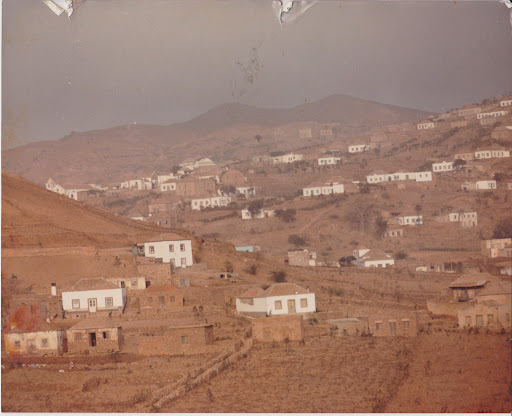
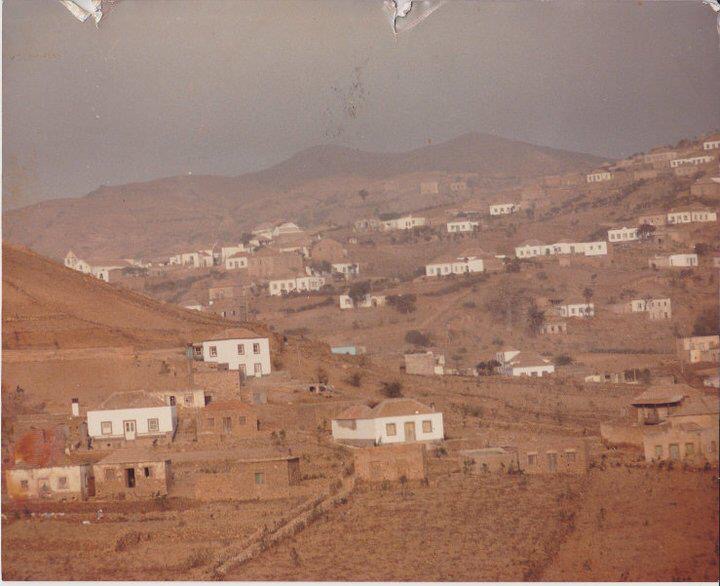
View of Chao de Souza and Thome Barraz, Brava.
This picture was taken during one of the many
droughts in Cape Verde.

I have been interested in my family history since as long as I can remember. I was that pesky kid constantly asking questions of anyone who would answer me. Countless hours were spent listening to my grandmother and great grandmother talking about the “old country”. I heard about the festas in Cova Rodella, family from Pabason, neighbors in Pedra Mollar and Tome Barraz and about trips to Feijão d’Agua.

I had a picture in my mind of what these places looked like but nothing could prepare me for the real thing. My first trip to CV was in November 2009 with my mother and two children. It was so surreal to actually walk on the same ground that my ancestors walked. I felt like I was truly home.

View original post 202 more words

A Letter from Maria Coelho Rodrigues to Her Long Lost Brother, Julio #52 Ancestors

It must have felt like an early Christmas the day the letter arrived from California in October 1962. It had been over forty years since Bibi, my great-grandmother, had heard from her younger brother, Julio. He was very young when he boarded a ship, around 1920, bound for the United States never to return to the island or family he left behind.

This is the letter Bibi wrote to her brother after receiving the letter

(Here is my rough translation)

The dearest brother of my entire heart is you, Jolio Coelho. It is with much joy and sorrow that I attempt these few letters to tell of my well-being, my daughter and grandchildren. I only wish to one day see you, your wife and children well. Brother Julio, today we have such joy that is so admired by many, this love of our brother. There was and is only us – 3 siblings.
We are saddened because of your illness and that you have not been well but it is the hand one has been dealt, Oh, patron Saint of Patience, the will of God, my brother. You are so young, still. But illness is for us sinners. God will bring you health.
Brother, I hope that when you receive this letter, you reply because you have left me with much sadness that you did not describe your illness.
Now, I send your Baptism Certificate. Whatever you need here, I am ready to do what I can with best intentions
Brother Jolio, today I have had so many people in our home wishing us well because of your letter. And everyone is elated with your correspondence. I hope that you write us more often and that you recover.
When you receive this (Baptism) Certificate, tell me that you have received it and I, and our sister Culinha, will be satisfied. We have for so long cried for you, our dear brother, our nieces and sister-in-law, for we have not even seen them in pictures.
Julio, I am so saddened now because I know you did not write us with your own hand. I have to know whether this is because of illness or injury you suffer.
Sister, Culinha, will be writing you, as well. Brother, I received the 5 dollars in the letter to pay the cost of the certificate. I will wait for your response.
I am, as well, a widow. My husband died so young. Rosinha is married and I have 6 grandchildren. Sister, Culinha has 5 children, all men and women now. They were all surprised that Uncle Julio has remembered them.
Brother, accept my embrace with much love for you, my sister-in-law, and my nieces. I wish to know their names. I will write to them now that I have your new address.
Many compliments and appreciation for this person who wrote you this letter, whoever they are.
That is all for now,
Your sister, your best friend until death,
I am Maria Coelho Rodrigues
(PS) Brother, whatever it is you suffer I hope you will let me know what it is.

(Additional message added from Culinha)
Much Saudade our sister Colinha and your nieces and nephews send to you and will write you often.

20140224-131217.jpg

20140224-131231.jpg

20140224-131241.jpg

20140224-131250.jpg

Cachupa Memories

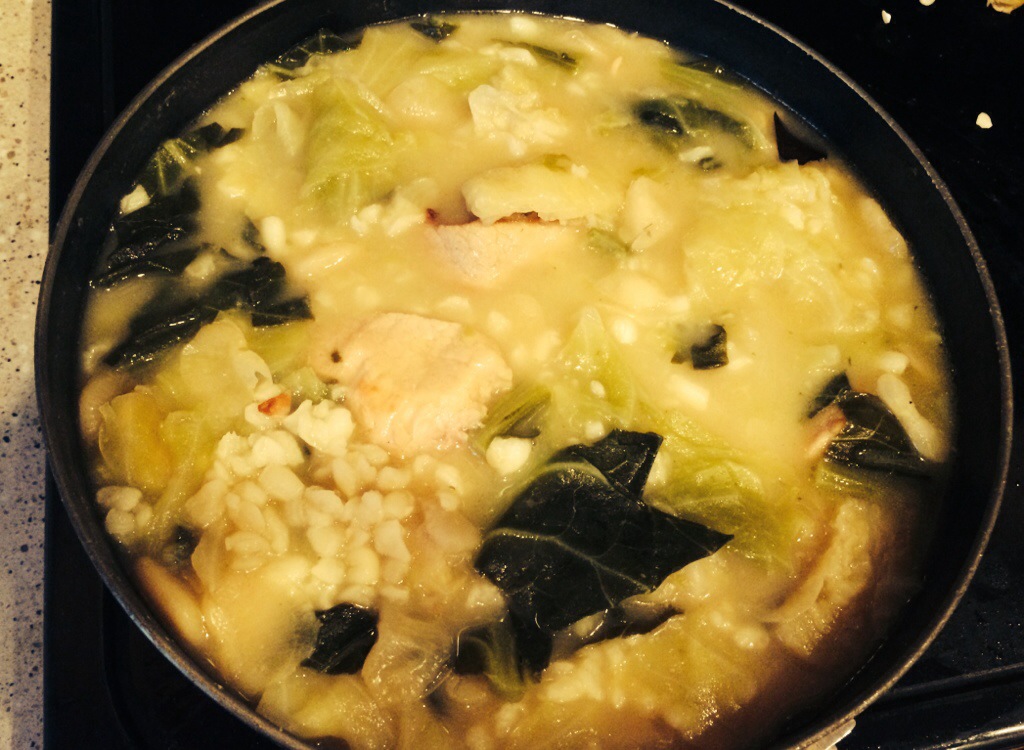
I decided to make some cachupa today. It’s a dish I grew up watching my mother, my grandmother and my great grandmother make. It’s basically a stew made with dried hominy, lima beans, collard greens and pork. Nothing fancy, but for me growing up, it was a delicacy that no gourmet dish from a five star restaurant could ever top.

I remember watching my great-grandmother, Bibi, sit at the table peeling a couple of garlic cloves and putting them into her small ‘pilon’ or mortar and pistle. She would add salt to the garlic and pound the mixture until it was a coarse, ground consistency. She would already have the pork cut into small pieces and used the garlic salt to “tempre” or season the meat. I remember her having the dried hominy in a large bowl of water overnight and then washing it several times then picking any pieces that didn’t look good. She did the same with the dried lima beans.

On the stove was a HUGE kettle that I probably could have fit into myself. In went the seasoned pork to “rafuga” (sauté) with olive oil, sliced onions and fodje de Loro (bay leaf). She would add water and let that come to a boil. The beans went in first then after a while, the hominy. While that was boiling she would cut some collard greens into small pieces, wash them and set them aside until it was time to add them to pot.

After what seem like an eternity, I had my bowl of cachupa in front of me, in complete bliss!

These days we’re accustomed to ready-made, drive thru foods. I am very guilty of the Uncle Ben’s microwave pouch of rice for dinner (often). But with that, you miss out on a huge process that’s more than cooking itself. I learned so much back then. As I watched my family cook, I learned my language and my culture. I learned about the “old country”. As I watched my grandmother, Vovo, make the “manse” or dough for gufunginho, cuscus, or rolinho, she and my great-grandmother might be talking about the latest news coming from Cham de Sousa, Tome Barraz and family from Pabason. I learned that there was some significance to times when they would talk about there being no rainfall, although I don’t think at the time I could have ever imagined the hunger and grief that was associated with their words.

Today you can find recipes for cachupa all over the internet, mostly for cachupa rica or rich cachupa. This is a variation from what I grew up with as it might contain a variety of beans, meats like linguica, and sweet potatoes, mandioca, and “batata ingles”. When I first heard of cachupa rica it hit me that cachupa may have represented how well a family was doing in Cabo Verde. Some years, harvests were good and you could afford the different meats and ingredients that went into the “rich” version of the dish. During years of famine and drought, you may have only had enough hominy and beans to make the “poor” version. Although I never heard anyone refer to a poor version, I can imagine that a whole family can be sustained for a while on the dried corn kernels and dried beans that can be made into a stew. During numerous droughts and famines, our families were able to sustain themselves and survive.

So as I prepare my cachupa today with hominy, lima beans and collard greens, I am thankful and feeling blessed for everything I have. It’s been 10 years since Bibi and Vovo passed but I still miss them as if it were yesterday. To them I say “Thank you and I will always love you”.

Do you have any cachupa stories? I would love to hear them!

20140216-172743.jpg

Eastman's Online Genealogy Newsletter

This is the most popular online genealogy magazine in the world, as measured by Alexa.

The Griot's Song

Remembering Our Ancestors One Story At A Time

Tracing Amy: My Ancestral Journey

PRUITT and EDWARDS Families of Clarke County, MS

Exploring the Past

Reading, Thinking, and Blogging about History

Civil War Emancipation

remembering freedom for the slaves ...

RootStories

"Ancestors never die until there is no one to call their names." ~ An African Proverb

You Got Roots?!

Educate. Engage. Advocate.

Archaeology and Material Culture

The material world, broadly defined

HistoricaLese

Striking Classroom Conversations

Genealogy Adventures

you never know where your genealogy will take you

Georgia On My Mind: Milledgeville's Borgus & Lewis Family

A Descendant's Journey ~ Reeves, Duval, Jones, Arnold, Huff

Moore Genealogy

Fun With Genealogy

DNAeXplained - Genetic Genealogy

Discovering Your Ancestors - One Gene at a Time

Ancestral Pathways LLC

This site features a genealogy blog about the Ville Platte Louisiana area African descendant families of Frank, Jason, Denton, Ruben, Leday, Laughtin, Joseph